March 6, 2026
Many homeowners operate under deeply held plumbing misconceptions that can lead to costly mistakes and unnecessary damage. As a local plumbing company, we believe that educated homeowners make smarter decisions about their plumbing systems. By clearing up some of the most common myths, we can help you protect your home, conserve water, and avoid preventable repairs. Plumbing is one of the most essential systems in any residence, and understanding how it truly works is the first step toward keeping it in top shape.
Whether you have been reaching for a bottle of drain cleaner at the first sign of a slow drain or assuming that a dripping faucet is just part of homeownership, this guide is here to set the record straight. Our experienced plumbing company professionals have seen firsthand how these myths cause real harm to real homes. Read on to discover the truth behind four of the most widespread plumbing misconceptions.
Avoid Liquid Drain Cleaners for Healthy Pipes
Liquid drain cleaners are heavily marketed as fast and effective solutions to clogged drains, but the reality is far less convenient. These products contain powerful acids or alkaline chemicals designed to dissolve blockages, but those same chemicals can corrode your pipes over time. Older plumbing systems with less durable materials are especially vulnerable. Beyond the threat to your pipes, the strong fumes and splash-back risk from these cleaners also pose genuine safety hazards to anyone in the home.
The short-term relief that liquid drain cleaners provide often masks longer-term damage. Repeated use gradually weakens pipe integrity, creating conditions that lead to leaks, cracks, and expensive repairs. These chemicals are also harmful to the environment — once they enter the water supply, they can damage aquatic ecosystems and accumulate as toxic, non-biodegradable substances.
Fortunately, there are effective alternatives that protect both your pipes and the planet. Mechanical tools like plungers and drain snakes can clear most common clogs without the use of chemicals. For routine maintenance, natural solutions such as baking soda and vinegar work well as preventive treatments. When clogs are persistent or recurring, that is a signal to bring in your local plumbing company. A professional can identify the root cause and apply a lasting fix, rather than repeatedly treating the symptom.
Recognize That Faucet Drips Are Preventable
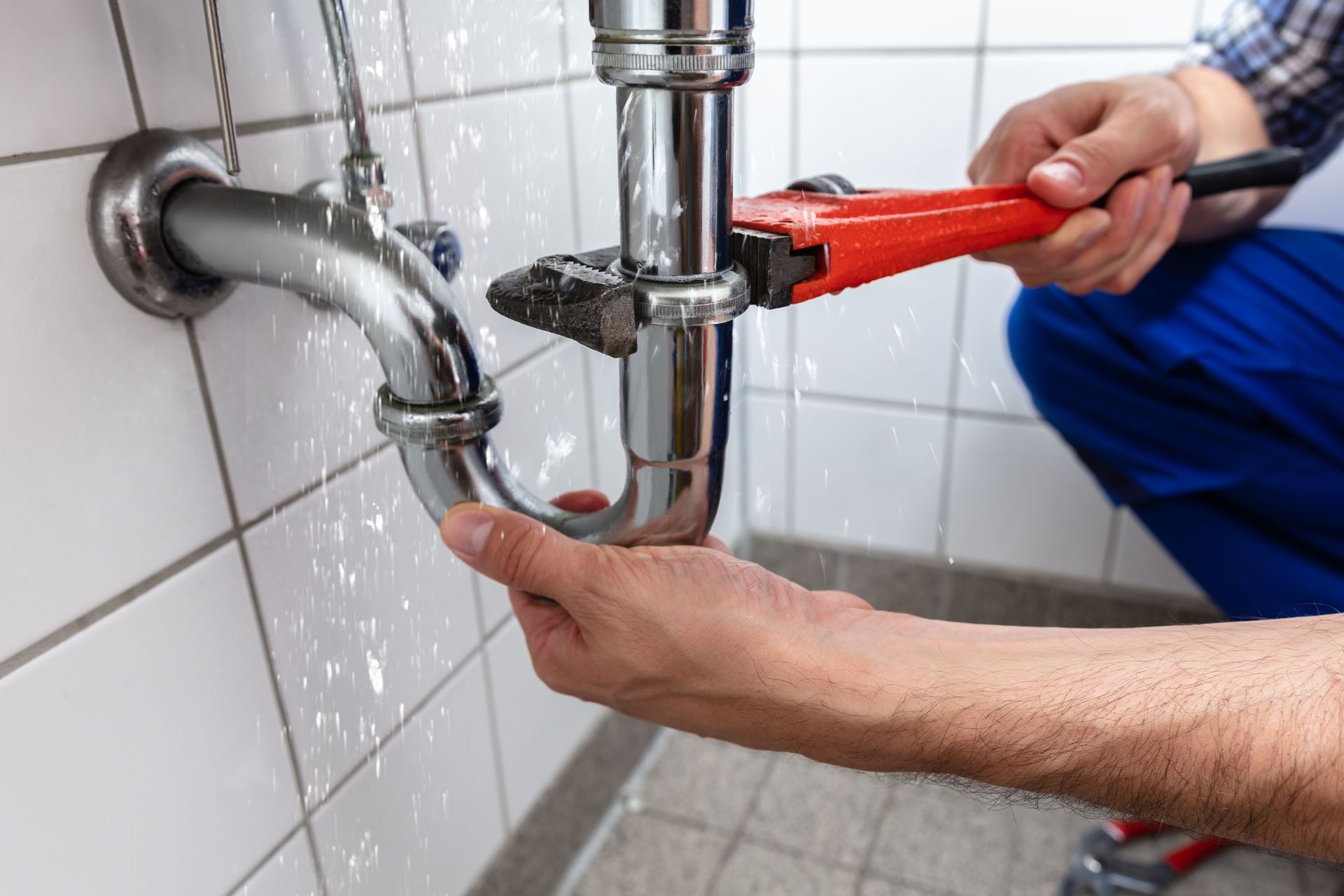
It is a common belief that all faucets will eventually start to drip — that leaks are simply an unavoidable part of aging fixtures. In truth, dripping faucets are almost always the result of specific, addressable problems. Worn washers, deteriorated seals, or loose internal components are the usual culprits. Rather than accepting a drip as inevitable, homeowners should understand that regular inspection and timely repairs by a plumbing company can keep faucets functioning properly for years.
Routine maintenance is your best defense against faucet leaks. Cleaning aerators, checking for loose components, and removing mineral deposit buildup are all simple practices that significantly reduce the likelihood of developing a leak. Neglecting these steps allows minor issues to compound, and what started as a small drip can turn into something much more consequential. According to RubyHome, the average household plumbing leak can waste as much as 10,000 gallons of water over the course of a single year — a striking figure that underscores why prompt attention to any drip is essential.
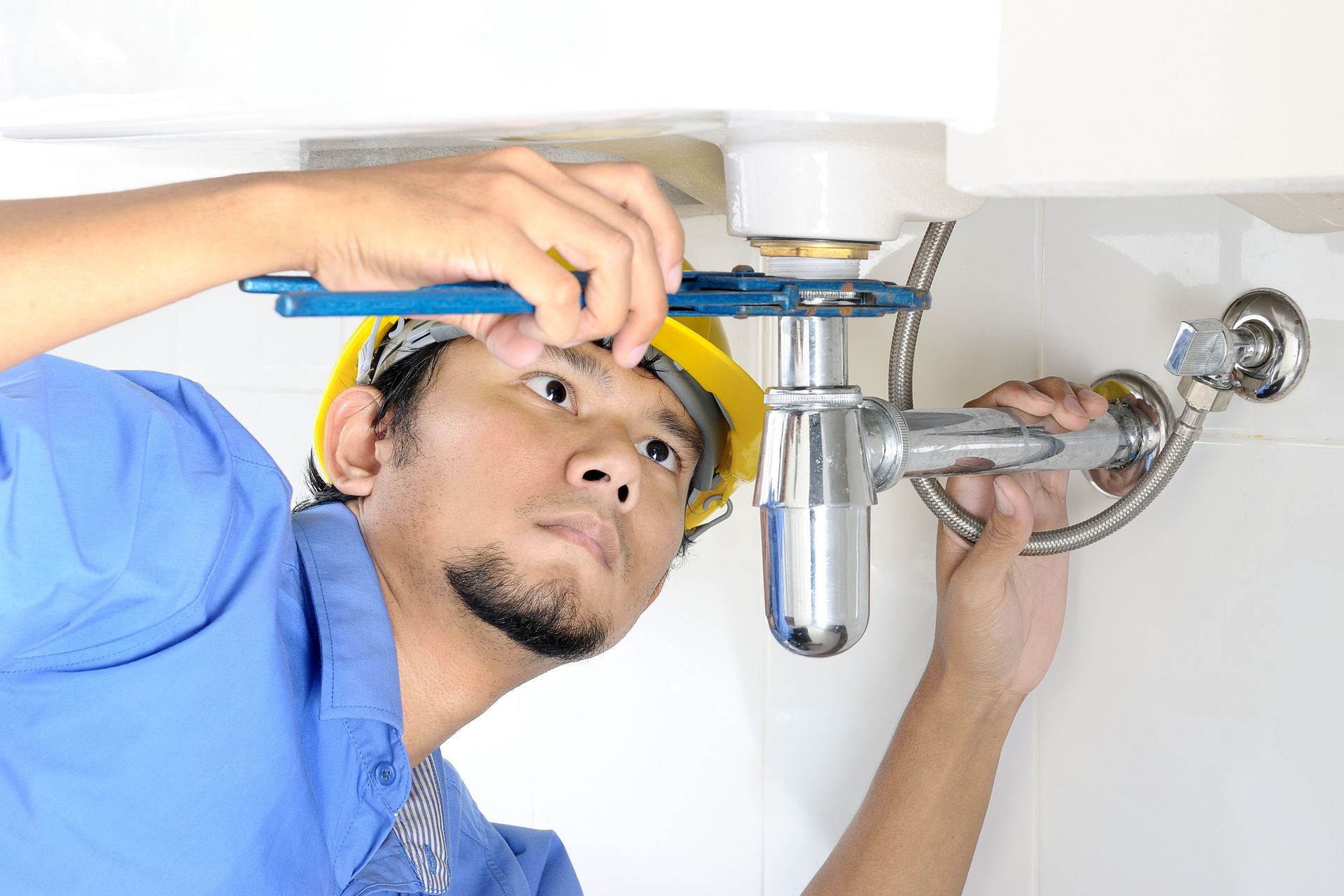
When a faucet continues to leak despite repeated repair attempts, it may be time for a full replacement. Visible corrosion, persistent dripping, and outdated fixtures that lack modern water-saving features are all indicators that replacement is the smarter investment. Newer models conserve water and reduce utility costs, making them more cost-effective in the long run. Whether repairing or replacing, partnering with a professional plumbing company ensures the job is done correctly and completely, giving you the confidence that the problem will not return.
Understand Why Small Leaks Cause Big Problems
Many homeowners dismiss small leaks as minor inconveniences, assuming that a slow drip or a barely visible moisture spot is not worth worrying about. This underestimation is one of the most damaging mistakes a homeowner can make. Even minor leaks contribute to ongoing water damage that compounds steadily over time. Continuous exposure to moisture weakens structural materials, promotes mold and mildew growth, and can eventually compromise the integrity of walls, floors, and foundations.
The progressive nature of leaks is what makes early detection so critical. A small amount of water seeping into drywall or wooden beams might seem insignificant at first, but over weeks and months, it creates ideal conditions for rot, warping, and mold colonization. Mold is particularly problematic because it poses serious health risks and is notoriously difficult to eradicate once established. Pressure imbalances caused by unaddressed leaks can also trigger additional failures elsewhere in your plumbing system, turning a manageable issue into a full-scale crisis.
Staying ahead of hidden plumbing issues requires a proactive approach. Homeowners should regularly monitor water bills for unexplained increases, inspect typically overlooked spaces like basements and attics, and pay attention to warning signs such as musty odors, decreased water pressure, or unusual sounds coming from pipes. Modern detection tools, including infrared cameras, can reveal hidden leaks before they escalate. For thorough assessments, a qualified plumbing company brings the expertise and equipment needed to identify and resolve issues that are not visible to the naked eye.
Know What Should and Should Not Be Flushed
A persistent myth in many households is that toilets can handle a wide variety of waste beyond their actual design. In reality, toilets are engineered specifically for human waste and toilet paper — materials that break down quickly and move through plumbing systems without causing obstruction. Flushing wipes, hygiene products, food scraps, or other foreign materials creates clogs that build up over time, place undue stress on pipes, and can result in serious damage to both household plumbing and municipal sewage systems.
Non-biodegradable items are especially problematic. Unlike toilet paper, these materials do not dissolve after entering your pipes. Instead, they accumulate, harden, and create persistent blockages that are difficult and costly to remove. The environmental impact extends beyond your property line as well — these materials can pass through household plumbing into sewage infrastructure, contributing to contamination of local waterways and disruption of aquatic habitats. Responsible disposal is not just good for your plumbing; it is a community responsibility.
Educating everyone in your household about proper toilet use is one of the simplest and most effective ways to protect your plumbing system. Post a reminder near the toilet if necessary, and make sure children understand the rules from an early age. Even products labeled as flushable should be disposed of in the trash to be safe. When clogs do occur despite best practices, a professional plumbing company can resolve the blockage efficiently and inspect for any secondary damage that may have occurred.
Work with Your Local Company for Reliable Guidance
Plumbing myths are more than just misconceptions — they are habits and assumptions that quietly cost homeowners money, water, and peace of mind. Recognizing these truths empowers you to make better decisions and take action before minor issues become major repairs.
Maintaining a healthy, efficient plumbing system does not have to be complicated, but it does require accurate information and, when needed, the support of a professional plumbing company. Our team is here to answer your questions, perform thorough inspections, and handle repairs with skill and care. Contact us at Maximus Plumbing today. We will help you keep your home's plumbing in peak condition.