September 8, 2026
In 2026, homeowners are encountering an array of plumbing issues that are becoming increasingly complex due to technological advancements, environmental changes, and evolving household needs. Managing existing pipe systems, integrating cutting-edge technologies, and addressing ecological concerns underscores the pressing need for professional expertise and modern plumbing service options. Residential water networks are essential for ensuring the health and daily comfort of every household. However, with changing lifestyles and automated hardware integration, the domestic landscape is rapidly shifting. Property owners need to be more vigilant and informed to effectively address emerging infrastructure issues while maintaining the overall efficiency of their utility systems.
Additionally, as the real estate market grows and diversifies, residential pipe challenges vary significantly across regions, largely influenced by the local urban or rural context. Recognizing these diverse structural vulnerabilities allows property owners to make informed decisions, ensuring long-term sustainability while curbing unnecessary emergency repair costs. A proactive approach to maintaining residential water lines, fixtures, and drainage infrastructure prevents catastrophic structural failures. Understanding these common residential challenges reveals why timely maintenance remains essential for every modern property owner.
Aging Infrastructure and Pipe Breakdowns
The overall age of a household plumbing network significantly impacts its daily functionality and operational reliability. Identifying outdated systems requires a clear understanding of legacy piping materials, such as galvanized steel or cast iron, and the typical service lifespan of those buried components. According to CMR, North America is a massive market driven by its large and aging housing stock, estimated to hold 27.7% of the global market in 2025. Evidence of structural aging includes internal pipe corrosion, discolored tap water, and frequent drain clogs, all of which require specialized plumbing service inspections to prevent property damage.
Corroded pipes also severely degrade indoor water quality over time. Internal metallic flaking introduces heavy sediment, lead contaminants, and foul odors directly into household tap water. Regular water testing and timely pipe replacements ensure that drinking water remains clean and safe for daily consumption. When dealing with widespread pipe degradation, property owners must weigh the upfront costs of spot repairs against total line replacement. While minor patch repairs provide temporary relief, trenchless pipe relining or complete repiping offers superior long-term performance, higher water pressure, and permanent protection against sudden structural bursts.
Smart Home Plumbing Challenges
Smart faucets, digital shower valves, and automated shut-off systems have grown increasingly popular in modern homes, offering high convenience and precise water monitoring. However, integrating digital hardware into existing legacy piping often creates complex installation challenges. Compatibility discrepancies between modern sensors and older plumbing service connections can cause operational failures or water pressure imbalances. Professional installers ensure that electronic fixtures align seamlessly with residential supply lines, preventing electrical short circuits and unexpected component failures.
Furthermore, internet-connected plumbing devices rely heavily on stable wireless networks and secure software updates. Connectivity drops or software glitches can temporarily disable automated shut-off valves or generate false leak alarms. Cybersecurity also represents a growing concern, as unencrypted smart valves present potential entry points for network intrusions. Property owners must maintain secure Wi-Fi protocols and update device firmware regularly. Embracing smart water management requires a balance between digital convenience, proper mechanical installation, and reliable home network security.
Water Heater Malfunctions
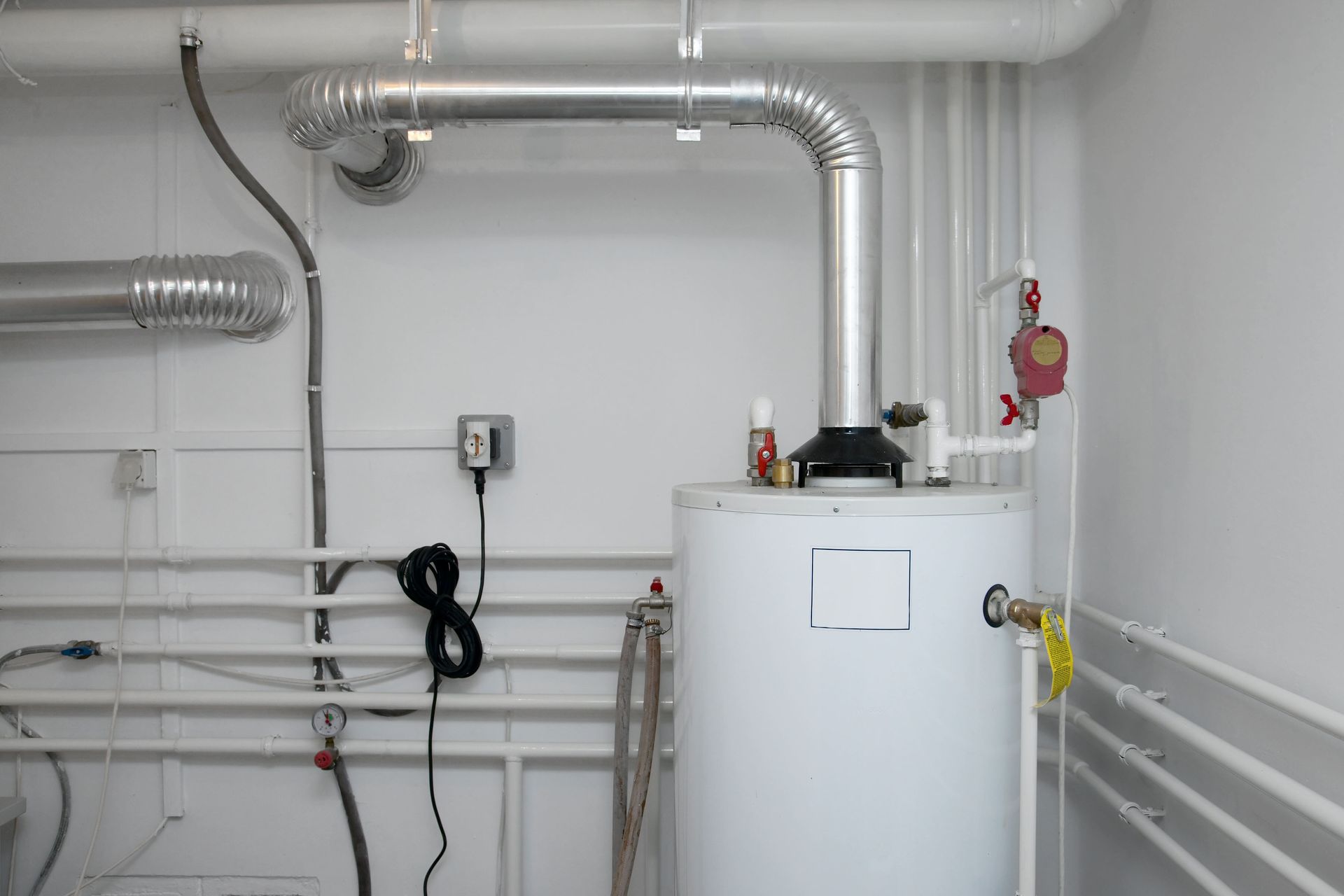
Water heaters are subject to continuous thermal stress, making them prone to mechanical failures that disrupt daily household routines. Common issues in modern water heaters include failing thermostats, burnt heating elements, faulty pressure relief valves, and heavy mineral sediment buildup. Sediment accumulation at the bottom of the tank creates an insulating barrier, forcing the burner or heating elements to run longer, which increases energy bills and accelerates tank corrosion. Scheduled flushing and anode rod replacements by a professional plumbing service remove these mineral deposits and extend water heater service life.
Selecting the right water heater involves balancing energy efficiency against daily household demand. Tankless water heaters provide continuous hot water while eliminating the standby energy losses associated with traditional storage tanks, though they require higher upfront installation investments and larger gas or electrical lines. Hybrid heat pump water heaters offer extraordinary energy savings in warm climates, converting ambient air heat into hot water. Annual professional maintenance prevents sudden heating breakdowns and keeps hot water systems operating at peak energy efficiency.
Eco-friendly Plumbing and Sustainability
Water conservation systems have become vital components of sustainable home management. Installing low-flow toilets, aerated showerheads, rainwater harvesting setups, and graywater recycling systems significantly reduces municipal water reliance. Sustainable plumbing fixtures minimize wastewater volume without sacrificing spray pressure, protecting natural water resources and significantly lowering monthly utility costs. Modern eco-friendly technologies turn daily water management into an active strategy for long-term environmental stewardship and household savings.
Governments and regional utility companies increasingly promote sustainable plumbing practices through strict building codes and financial incentives. Many municipalities offer tax rebates or utility credits for homeowners who replace legacy toilets and water heaters with high-efficiency, certified green equipment. Utilizing eco-friendly building materials, such as durable PEX or recyclable copper, further aligns residential plumbing systems with modern environmental standards. Partnering with a licensed plumbing service ensures that green retrofits comply with municipal plumbing codes and maximize available rebate savings.
Urban vs. Rural Plumbing Challenges
Water supply hazards differ significantly between urban environments and rural properties. Urban homes frequently contend with aging municipal main lines, high water pressure fluctuations, and hard water mineral scale. In contrast, rural properties rely on private water wells, pressure tanks, and deep subsurface septic systems that require independent monitoring. Well pumps are vulnerable to electrical surges and dry droughts, while septic tanks demand regular pumping to prevent soil absorption field failure and raw sewage backups.
Geographic location also directly affects the availability and speed of emergency plumbing support. Urban neighborhoods generally benefit from rapid service dispatch times and competitive local labor pricing. Rural homeowners, however, face higher travel fees and potential scheduling delays during severe weather events. Establishing a relationship with a reliable plumbing service guarantees priority scheduling, comprehensive well-system inspections, and rapid emergency dispatch regardless of geographic location.
Preventive Plumbing Maintenance
Routine plumbing inspections are essential for catching minor leaks, pipe corrosion, and hidden drain line sags before they escalate into catastrophic structural failures. Professional technicians utilize high-definition video pipe cameras to inspect main sewer lines, pinpointing tree root intrusions and cracked joints deep beneath lawns and foundations. Incorporating scheduled annual inspections into a property maintenance routine protects building foundations, prevents mold proliferation, and saves thousands of dollars in emergency structural restoration costs.
While basic tasks like clearing hair from sink stoppers or replacing garden hose washers can be handled as simple DIY projects, complex jobs require licensed expertise. Attempting DIY repairs on gas-fired water heaters, main sewer lines, or high-pressure supply pipes can lead to severe water damage or safety hazards. Investing in a comprehensive maintenance plan with a qualified plumbing service provides documented inspection records, priority emergency response, and total peace of mind for the future.
Navigating the evolving landscape of residential plumbing in 2026 requires a balanced approach that combines modern technology, sustainable fixtures, and proactive preventative care. From managing aging pipe networks and smart home devices to maintaining high-efficiency water heaters, addressing minor plumbing issues early safeguards your property value and prevents high-stress utility emergencies. Working alongside experienced trade professionals ensures that your home's water infrastructure remains safe, efficient, and fully compliant with modern building standards. When you need dependable pipe repairs, advanced leak detection, or routine system maintenance, rely on the expert team at Maximus Plumbing to deliver high-quality craftsmanship and exceptional service for your home.